

As we said, everyone needs a period craft or skill to engage with the audience at events and to help them to appreciate not only the immense skill of the Early Anglo-Saxon people but also how these abilities may have enriched their lives. Many of our members particularly enjoy the autonomy of 'running their own department' within the parameters of the available evidence
We have gathered a few suggestions for consideration below:
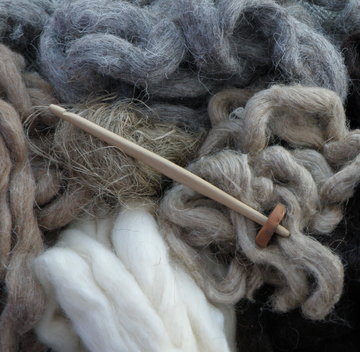
Preparing wool and flax fibres would have been one of the most important tasks in the Anglo-Saxon day - from combing wool and scutching flax, through to spinning with a drop spindle. Would you enjoy learning and demonstrating these procedures for - or even with - a spellbound audience?
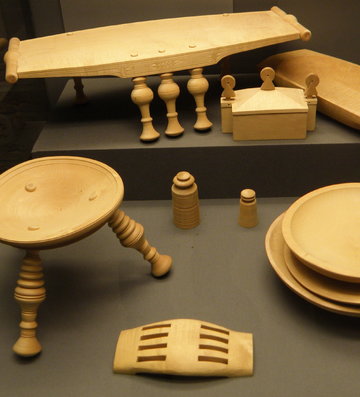
A quick look to the more forgiving soils of the continent will show you some amazing examples of period furniture and other woodwork that survive in the archaeological record. A wide variety of woodworking skills will be required to replicate any of these items. Would you like to construct yourself a pole lathe and learn to turn bowls and plates for the delight of the public? Or perhaps carve some of the stylised designs to be found in the archaeological record? From carving to making boxes, buckets or producing replica furniture, the choice is yours.
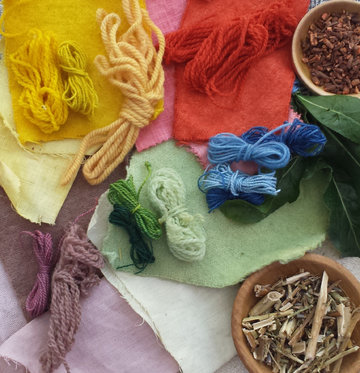
Dyeing with natural dyes can be an unpredictable, yet very exciting process. Researching available resources and looking at evidence from chemical analysis you could re-create some of the many shades of the time. Would you like to share your adventures in colour with a fascinated audience?
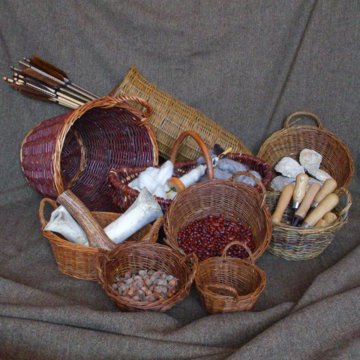
These were highly valued skills in the time of our ancestors. From baskets for storage, fishing and straining, through to rush matting for floor and table coverings; all of these commodities would have been invaluable within the Anglo-Saxon household. Even today there is a wealth of material to help you on your way to learning a fascinating and creative skill.
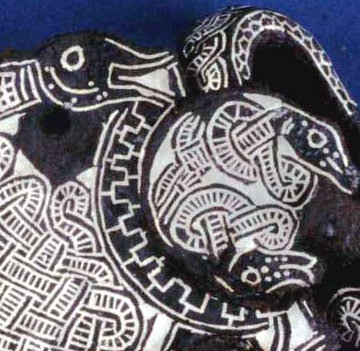
Tauschierung work is the ancient art of inlaying iron with precious metals. Discover the many surviving examples and the intricate designs of the period, learn the techniques of the craft and inspire awe and wonder in all who witness your work!
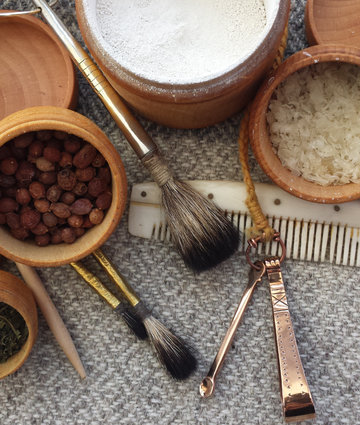
Would you enjoy investigating the many period examples of cosmetic equipment and exploring all of the possibilities that they suggest? Could you explode the myths of poor hygiene amongst our ancestors with reference to the wide variety of personal care tools that they left behind? With this display you could really bring the people of the past to life!
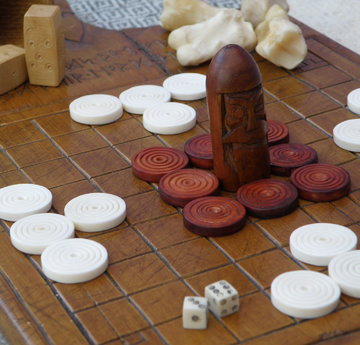
As the Games Master you would be skilled in many of the period board games that are represented in our culture. A variety of talents will be needed to manufacture the playing pieces and gaming boards of the time and, of course, a playful nature throughout events! The true master could also inject some extra drama with some heroic tales or poems of the time?
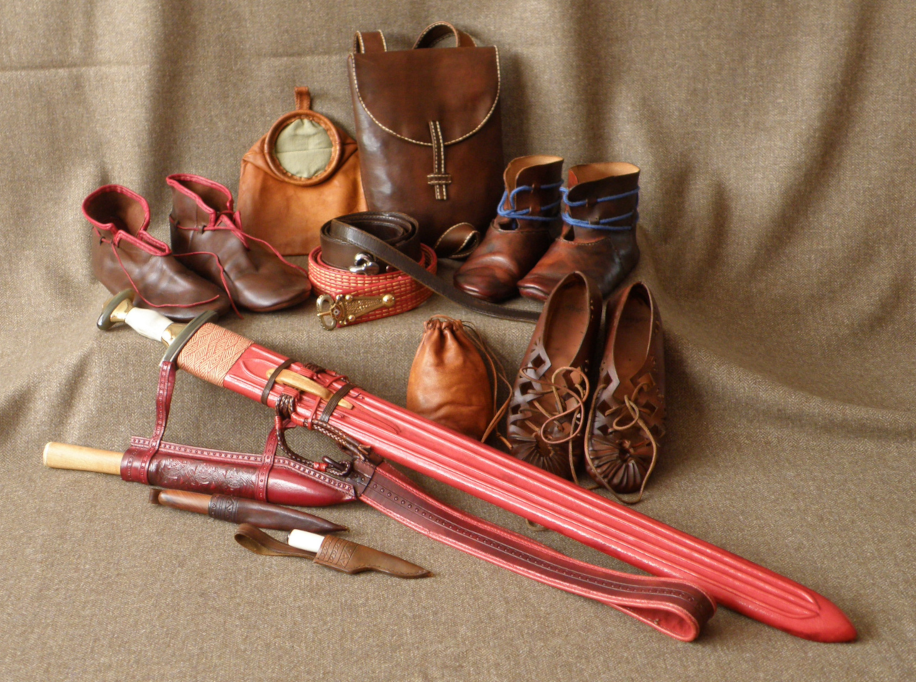
From making shoes, belts and pouches to producing knife sheaths and covering sword scabbards you will be amazed at the simplicity of the range of techniques found in the archaeological record. With a little practice you will soon be producing kit for both yourself and other group members.
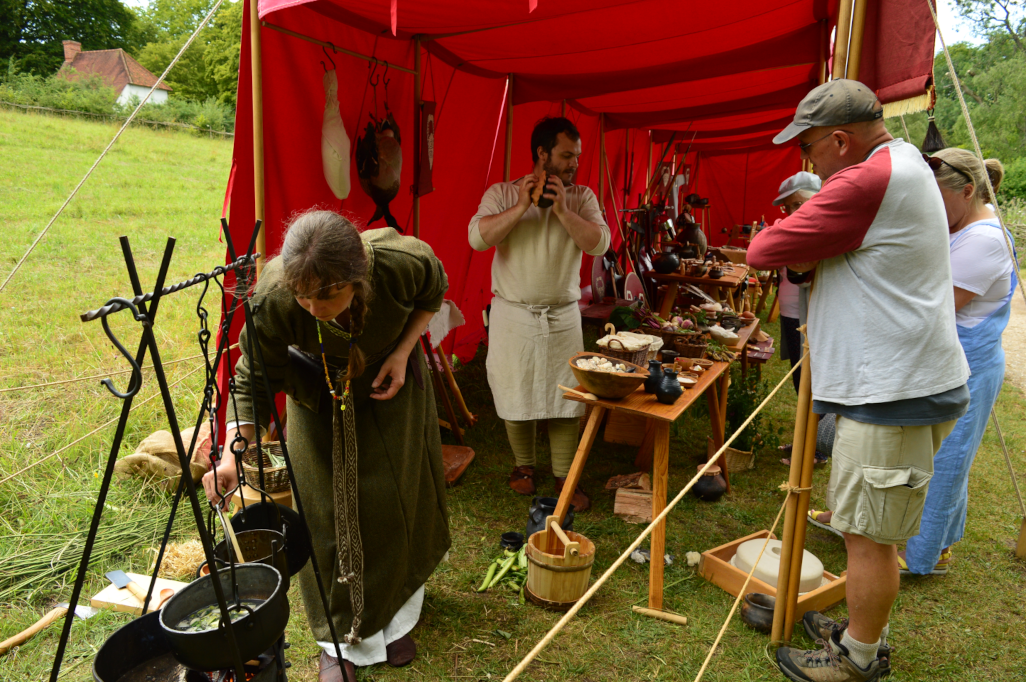
With a display of Cookery implements and ingredients ranging from what was available to a village community through to the types of fayre that would have graced tables at a feast there is much to explore. Although many of the types of food are familiar, few people would recognise them as the items they use today. If you are interested in being the most popular person around at dinner time, or if you would like to become the dark age equivalent of Gordon Ramsey (swearing only acceptable in Old English!), we can assist with the research.
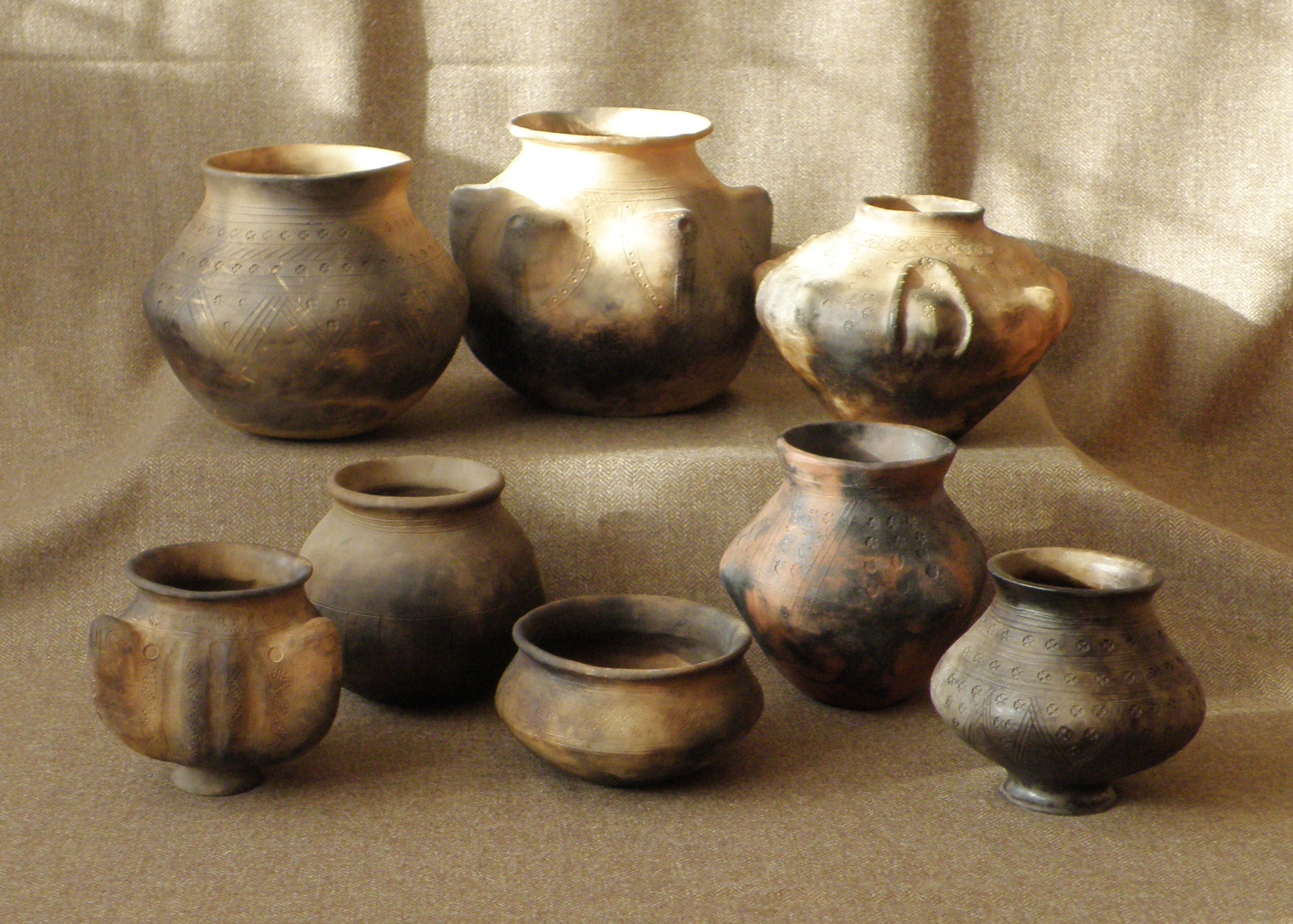
From cremation urns to cooking pots, drinking cups to crucibles, the skill of the Anglo-Saxon Potter was extraordinary! Gone are the wheel-thrown, mass-produced pots of the Romans (pahh!) and 'in' are the hand-built 'individual' ceramics of our ancestors. You could embark on a fascinating journey of discovery, from plain cooking pots, to the great buckle urns - and the decorative techniques that went alongside them.
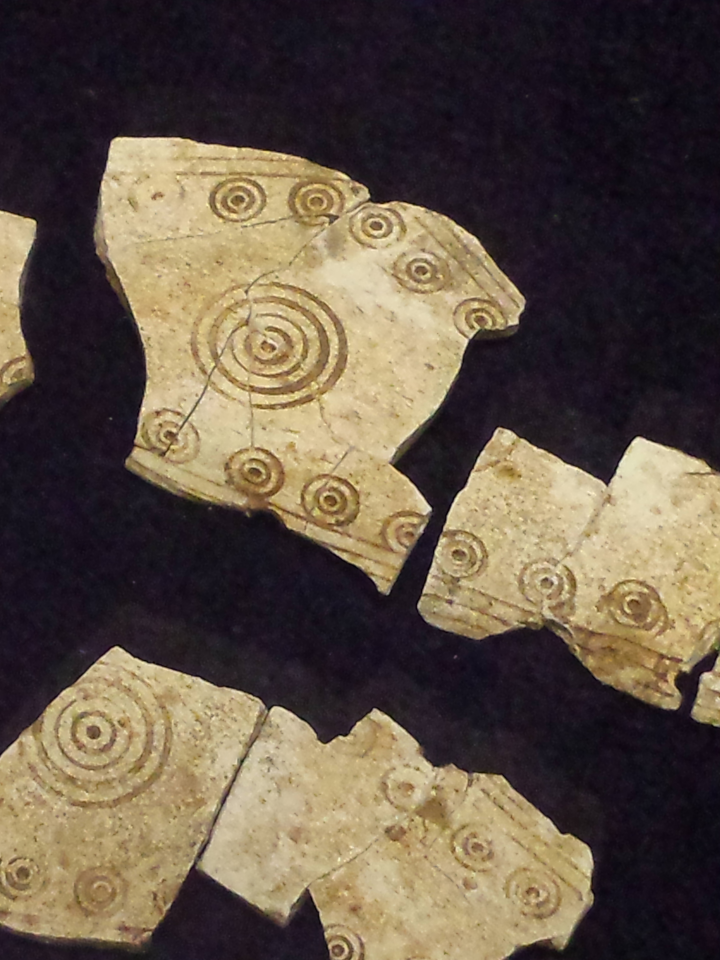
In a time long before plastic technologies, when an animal was valued and if and when slaughtered then all parts were used, skeletal materials were valuable resources. Bone, Antler and Horn could be skillfully worked to produce many everyday objects, from combs to knife handles, from lanterns to needles, from tools to gaming pieces - there is even an example of a helmet covered in horn plates from an archaeological context in the UK. Some items were plain and utilitarian, others highly decorated. By no means the sweetest smelling of pursuits, but one that has endless possibilities to explore - and will always capture the attention of the audience.
These are just a few of the crafts and skills that you could contribute to the Weorod experience, there are many more - it is up to you. What inspires you?